

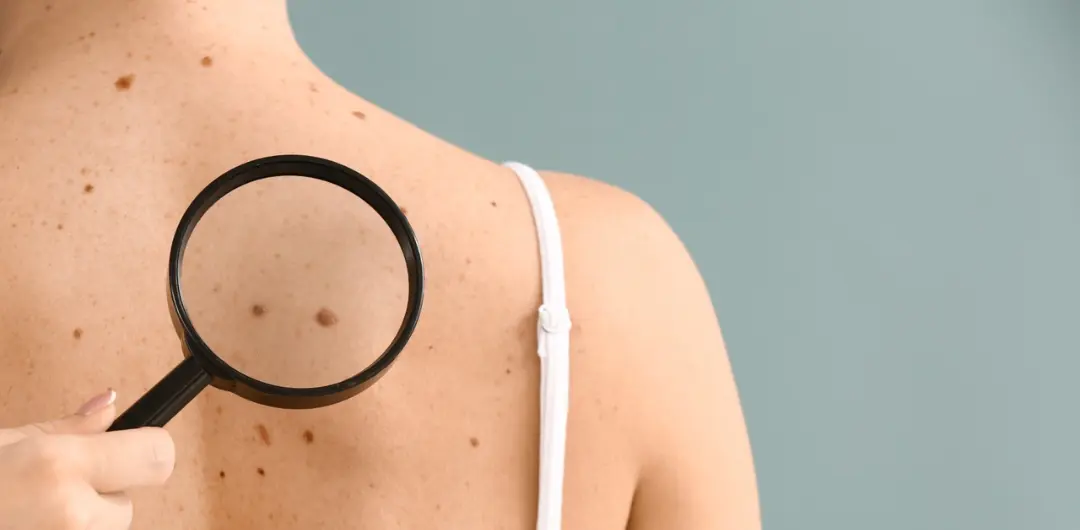
Skin Cancer Screening: Who Needs It and How to Check Your Own Skin
Melanoma can be life-threatening if it spreads, but treatment is highly effective when detected early. Although Australia has one of the highest skin cancer rates in the world, national guidelines do not recommend routine melanoma screening for everyone.
Instead, current policy focuses on public awareness, sun protection and clinical skin checks for people considered at higher risk.
Why There Is No Universal Screening Program
Screening a whole population aims to find cancers early enough to save lives. When it comes to melanoma, there are two main concerns:
Overdiagnosis
Some melanomas grow slowly and may never cause harm. Screening everyone may detect large numbers of these low-risk lesions, leading to unnecessary surgery, anxiety and follow-up tests.
Resource Prioritisation
A nationwide screening program requires significant investment. To introduce one, health authorities must be confident it would deliver clear benefits across the population.
Who Is at Higher Risk?
Skin checks are recommended more often for those with increased likelihood of melanoma, including people who have:
- Fair skin or red/light-coloured hair
- A history of sun damage or sunburn
- Many moles
- A personal or family history of melanoma
Clinicians are encouraged to consider a patient's future melanoma risk as part of routine health care.
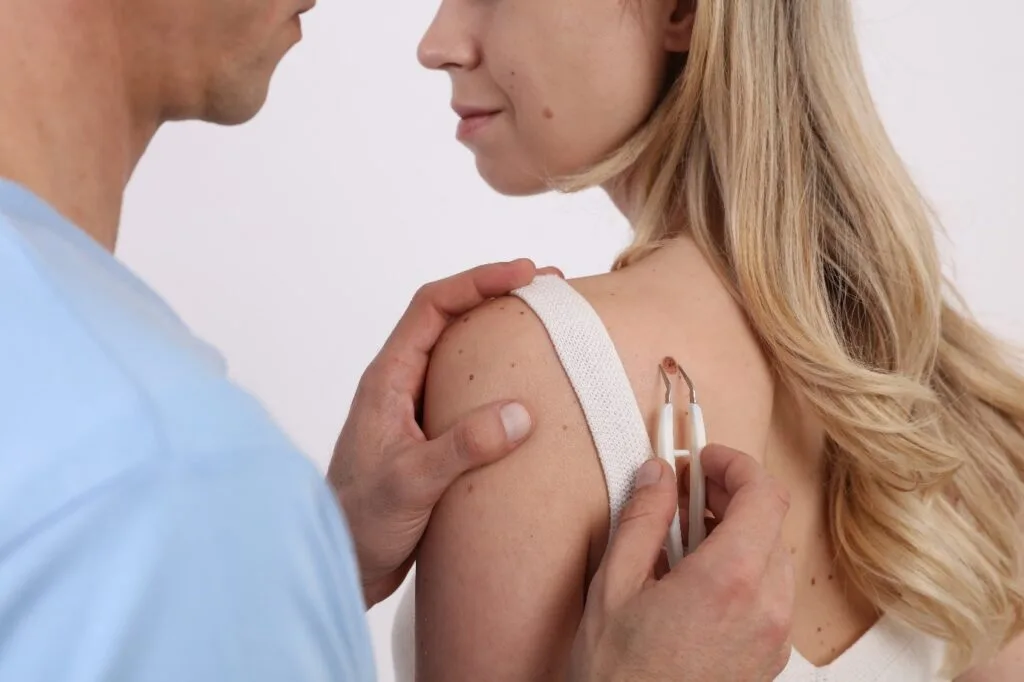
How Technology Is Changing Skin Cancer Detection
Emerging tools are improving how risk is assessed and how suspicious lesions are monitored, including:
- 3D total-body imaging to track changes over time
- Artificial intelligence to analyse skin lesion images
- Genetic testing for inherited melanoma risk
- Telehealth, which improves access to skin assessments, particularly outside major cities
These advances may help refine who should be screened in the future.
How to Monitor Your Own Skin: The SCAN Method
Skin cancer can affect anyone, so knowing what is normal for your skin is useful. The SCAN method helps identify spots worth having checked:
- S — Sore: itchy, scaly, bleeding, or not healing after six weeks
- C — Changing: altering in size, shape, colour or texture
- A — Abnormal: looks different to your other spots
- N — New: appearing recently, especially after age 40
If a mole or spot concerns you, or you are unsure what you're looking at, it is safer to have it assessed.
When to Seek Support
If you notice a change or want guidance about your skin cancer risk, you can speak with a doctor through our telehealth service for:
- Skin lesion review and advice
- Referral for in-person skin examination or imaging when required
- Preventive guidance based on your individual risk
Book an online consultation with one of our trusted GPs to get personalised skin health advice from the comfort of home.
The information in this article is of a general nature and is not medical advice, nor is it a substitute for independent professional advice. It should not be used or relied on as an alternative to professional healthcare. If you have a particular medical problem, please consult a qualified healthcare professional. Neither MediLeave nor its associates accept any liability for any injury, loss or damage incurred by use of, or reliance on, the information provided in this article or its links.
